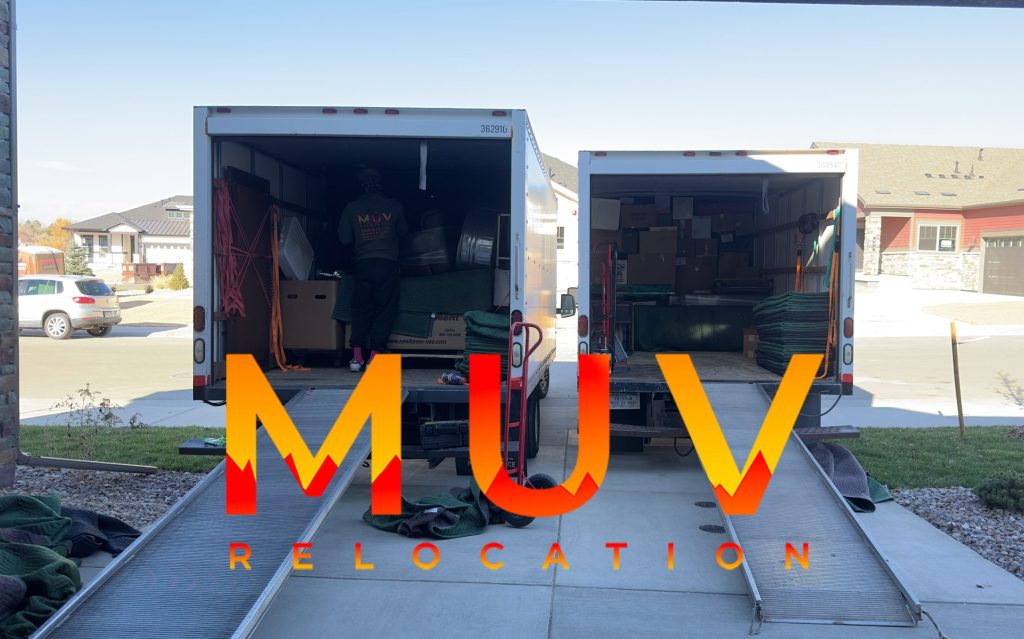
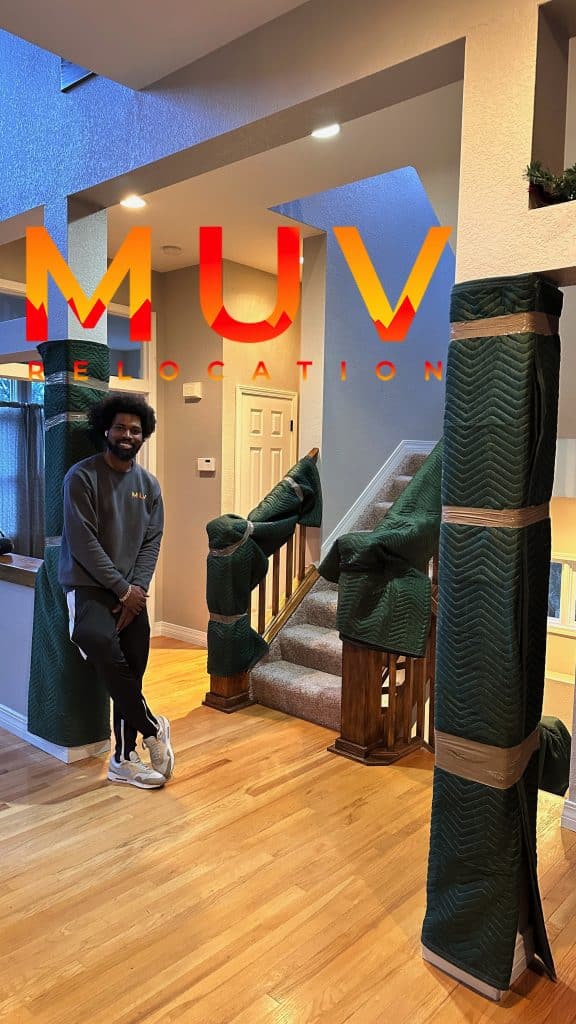
Apartment moves in Denver, and specifically in Capitol Hill, do not operate the same way they do in newer or more vehicle-oriented neighborhoods. Capitol Hill has one of the highest concentrations of older apartment buildings in Denver, along with tighter street parking, denser blocks, and a mix of controlled-access entries and walk-ups. This guide breaks down the real logistics movers plan for when handling apartment moving in Capitol Hill—and why those details matter long before move day arrives.
Street Parking and Curb Access
In Capitol Hill, parking is rarely an afterthought—it’s often the primary constraint that shapes the entire move. Even when an apartment itself is easy to navigate, curb access can determine how efficiently loading and unloading actually happen.
What typically affects access:
- Limited curb space: Many blocks fill quickly with residential vehicles, especially outside weekday work hours.
- Meters and time limits: Short parking windows can force unnecessary re-parking if timing isn’t planned carefully.
- Permit zones and enforcement: Some streets enforce parking rules more aggressively than others, depending on the block.
- Busy corners and narrow approaches: Certain intersections and one-way stretches make staging a moving truck more complicated.
Practical planning notes:
- Identify the closest realistic staging point, not just the most convenient one.
- If your building has rear or alley access, confirm that it’s actually wide enough and clear on move day.
- If reserved space is required, coordinate early—some properties need advance notice to approve temporary access.
Walk-Ups and Stair Carry Planning
Many Capitol Hill apartment buildings were built long before elevators were standard, which means stairs are part of the move more often than not. Even buildings with elevators can still require stair carries somewhere along the route.
Common stair-related factors:
- Narrow stairwells and tight turns
- Multiple landings that limit how items can be carried or rotated
- Older interior finishes that are more susceptible to scuffs and damage
What matters most:
- The total number of flights from truck to unit—not just the floor number.
- Whether stairwells allow safe passing and controlled movement.
- Whether larger items need partial disassembly before navigating stairs.
Elevators, Freight Access, and Move Windows
When an elevator is available, it can help—but only if it’s approved for moving. Many Capitol Hill buildings restrict elevator use or require advance coordination.
Plan around:
- Move-in or move-out reservation windows
- Elevator padding requirements
- Key or fob access rules
- Designated loading routes or entrances
If your building requires a COI (certificate of insurance), request it early so it doesn’t become a last-minute delay.
Building Entry, Controlled Access, and Hallway Protection
Capitol Hill apartments often involve tighter interior routes than people expect. Controlled access buildings, vestibules, and narrow hallways can turn simple carries into precision moves.
Expect variables like:
- Locked exterior doors that require coordinated entry
- Tight entryways that limit turning angles
- Hallways with higher damage risk due to narrow width and foot traffic
Mover-style planning typically includes:
- Clear access coordination (who’s opening doors and when)
- Floor and corner protection along tight routes
- A defined carry plan for bulky or fragile pieces
Timing: When Capitol Hill Moves Go Smoother
Timing in Capitol Hill is less about starting as early as possible and more about avoiding peak congestion. Parking competition, pedestrian traffic, and building restrictions all play a role.
Practical guidance:
- Choose a start time that supports consistent staging without forced truck moves.
- Schedule around building move windows rather than convenience.
- Allow extra time for walk-ups compared to elevator buildings.
The Items That Usually Slow Apartment Moves Here
Certain items consistently take more time in Capitol Hill buildings due to stairwells, tight turns, or weight.
Common slowdowns include:
- Oversized sectionals that don’t pivot easily
- Heavy dressers that should be lightened or disassembled
- Bed frames with complex hardware
- Appliances on stair routes
- Glass-heavy furniture and large mirrors
Identifying route-sensitive items early helps prevent backups later in the move.
Summary: What Movers Plan For in Capitol Hill Apartment Moves
The smoothness of a Capitol Hill apartment move usually comes down to a few predictable variables:
- Curb staging and parking constraints
- Stair carries and tight interior turns
- Elevator access rules and reservation windows
- Controlled entry and hallway width
- Furniture that requires disassembly or extra protection
Capitol Hill Apartment Moving Q&A
Do apartment moves in Capitol Hill usually require special parking permits?
Not always, but many blocks have strict parking rules. The practical goal is securing a workable staging point and avoiding forced re-parking during the move.
How common are walk-up apartments in Capitol Hill?
Very common compared to many other Denver neighborhoods. Even elevator buildings may still require stair carries at some point along the route.
If my building has an elevator, is the move automatically easier?
Not necessarily. Elevator availability often depends on move windows, padding rules, and building approval. If your building offers a reserved elevator service, contact them immediately to schedule a reservation.
What’s the biggest preventable delay on move day in Capitol Hill?
Curb access issues—especially when trucks can’t stage close enough or must relocate repeatedly. If you or the property management can hold a spot near the building entrance, do so the day before the move
What information helps movers plan most accurately?
The full route: staging point, entry access, stairs vs elevator, hallway width, and any building rules that affect timing.